
For week three of my free inquiry, I started to look into the history of origami. I wanted to find out how it started, who decided to fold paper in certain ways to create different shapes, as well as what cultural significance it might have had.
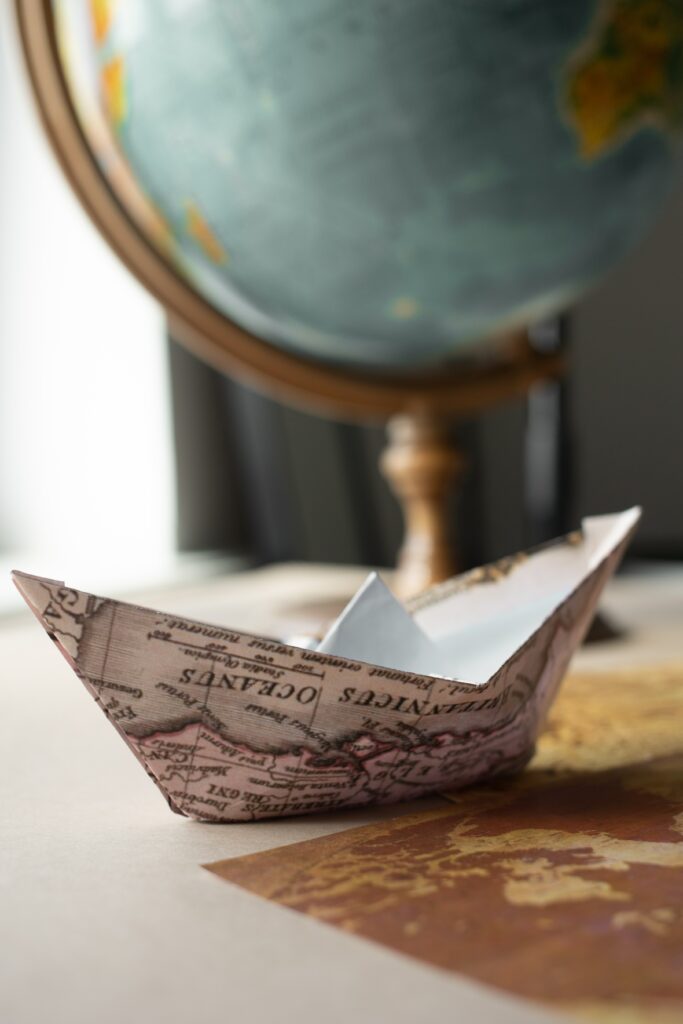
Here are some interesting things I found from my research from an article from Robert C. Williams Museum of Papermaking (https://paper.gatech.edu/kinetic-joy/history-origami) and an article from Origami Resource Center (https://origami-resource-center.com/history-of-origami/#google_vignette):
History of Origami
Apparently the history of origami is under debate, as paper is not a very long lasting and durable material there is no proof of who started it. The most likely oldest example is Yuanbao, which is paper folded to look like gold nuggets, which is thought to have started near 1000 AD. Paper was introduced to Korea and Japan in the 6th century, and in Japan is where an art form what would eventually evolve to become origami started.
The first known book published mentioning paper folding was called the Tsutsumi-no ko in 1764. However, long before this book was published, there was a reference to an origami butterfly in a poem in 1680. From what we know, origami started as something only very privileged people could do, as the price of paper was very high. It started as less of an art form, and was mostly limited to religious rituals or formal ceremonies. For example, paper butterflies called Mecho and Ocho would be put on sake bottles. Furthermore, the different ways of folding symbolized different things, such as folded piece of paper called Noshi that would accompany a gift and was considered a token of good fortune.
The word we use today, origami, originated from the two Japanese words Ori and Kami which means folded, and paper. In 1950 is when the common origami symbols known today were created by Akira Yoshizana and Sam Randlett, and have mostly stayed the same since then.
Origami has a long history, and I have only scratched the surface of its significance from these two short articles. During the rest of my inquiry I hope to find more sources and dig deeper into the different significances of origami.
Leave a Reply